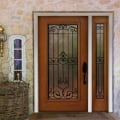
Are you considering upgrading your home with new windows and doors? If so, you’re not alone. Many homeowners recognize that window and door replacements are not only essential for improving energy efficiency but also for enhancing the aesthetic appeal and value of their property. However, the thought of the associated costs can often be daunting. This is where understanding the various financing options available for replacements becomes crucial. In this article, we will explore the different financing solutions that can make your replacement project more manageable.
Whether you’re looking for flexible payment plans, low-interest loans, or incentives offered by manufacturers, there are options tailored to meet diverse financial situations. Don’t let budget constraints hold you back from investing in your home’s future. With the right information and tools at your disposal, you can embark on your journey toward a more beautiful and energy-efficient living space without breaking the bank. Let’s dive into the world of financing options for your window and door replacements and discover how you can turn your home improvement dreams into reality. Replacing windows and doors is not just an aesthetic upgrade but a crucial investment in your home’s energy efficiency and overall curb appeal. While the upfront costs of these replacements can be significant, understanding the various financing options available for replacements can help ease the financial burden and make your project more manageable. One common financing option is a personal loan.
Personal loans typically offer fixed interest rates that can be lower than those associated with credit cards. For example, if you secure a personal loan at 7% interest for a $10,000 window replacement project, your monthly payments will be predictable and manageable over the loan term. However, it’s important to consider the total cost of borrowing, including any origination fees that may apply. Additionally, personal loans often require a good credit score to qualify for favorable rates. Another option to consider is a home equity loan.
This type of loan allows homeowners to borrow against the equity they have built up in their property. Home equity loans generally come with lower interest rates than unsecured loans because they are secured by your home. However, if you fail to repay the loan, you risk foreclosure. This option is particularly advantageous if you have significant equity in your home and are planning a larger replacement project.
Just keep in mind that the application process can be lengthy and may involve additional closing costs.
Credit cards
present another avenue for financing window and door replacements. While they are convenient and allow for immediate purchases, they usually come with higher interest rates compared to personal or home equity loans. If you're considering using a credit card, it’s advisable to pay off the balance quickly to avoid accruing high-interest charges. Some credit cards also offer promotional financing options like 0% APR for an introductory period, which can be beneficial if you plan to pay off your balance before the promotional period ends. Financing through contractors is another viable option.Many contractors offer financing plans that allow you to spread out payments over time. This can be attractive as it often comes with competitive rates tailored for specific projects. However, it’s crucial to read the fine print and understand any fees or penalties associated with these plans. Contractor financing may simplify the process by bundling costs into one payment plan but can sometimes lack transparency compared to other methods. Regardless of which financing option you choose, it’s vital to grasp the total costs involved in your replacement project.
This includes not only the price of the windows and doors themselves but also installation fees, which can add significantly to your overall expenses. Additionally, when evaluating financing options, consider potential savings on energy bills as a result of improved energy efficiency from new windows and doors. These savings can help offset your initial investment over time. The process of obtaining estimates should begin with researching local contractors and getting multiple quotes to ensure you’re getting a competitive price. Ask about financing options during this process; many contractors are willing to work with you on payment plans or suggest third-party financing solutions that suit your budget. When deciding whether to tackle the replacement as a DIY project or hire professionals, financing plays an essential role.
While DIY projects may seem like a way to save money upfront, consider the hidden costs of materials and potential mistakes that could lead to additional expenses. Hiring professionals may come at a higher initial cost but can guarantee quality installation and potentially save you money in repairs down the line. If financing is a concern, check if contractors offer payment plans or financing options that can make professional installation more feasible within your budget. Lastly, don’t overlook government incentives or rebates available for energy-efficient upgrades. Programs at both federal and state levels often provide tax credits or rebates for homeowners who invest in energy-efficient windows and doors. While DIY projects may seem like a way to save money upfront, consider the hidden costs of materials and potential mistakes that could lead to additional expenses. Hiring professionals may come at a higher initial cost but can guarantee quality installation and potentially save you money in repairs down the line. If financing is a concern, check if contractors offer payment plans or financing options that can make professional installation more feasible within your budget. Lastly, don’t overlook government incentives or rebates available for energy-efficient upgrades. Programs at both federal and state levels often provide tax credits or rebates for homeowners who invest in energy-efficient windows and doors.
Investigating these incentives can significantly reduce your overall costs and make financing even more attractive. In conclusion, exploring the various financing options available for replacements allows homeowners to make informed decisions that align with their financial situations and long-term goals. By weighing the pros and cons of each option and understanding all associated costs, you can confidently move forward with enhancing your home’s value and energy efficiency through window and door replacements.
Estimating Costs for Replacement
When planning for window and door replacements, estimating costs is a crucial first step. To gather accurate estimates, homeowners should consider reaching out to multiple contractors for quotes. This process involves inviting professionals to assess your current windows and doors and provide a detailed breakdown of costs associated with replacement. Several factors influence the overall costs of window and door replacements.Material choice is significant, as options like vinyl, wood, or aluminum vary widely in price and durability. Additionally, the style of the windows or doors—whether they are casement, sliding, or double-hung—can affect costs due to design complexity and manufacturing differences. The size of the openings also plays a critical role; larger or custom-sized windows and doors typically incur higher expenses due to additional materials and labor. While the initial investment in replacement can seem daunting, various financing options can help manage these expenses. Many contractors offer payment plans or financing through third-party lenders that can spread the cost over time, making it more manageable for homeowners.
Additionally, some energy-efficient windows and doors qualify for rebates or tax credits, which can further alleviate financial pressure. Ultimately, understanding how to gather estimates and what factors affect costs will empower homeowners to make informed decisions about their window and door replacement projects. By exploring available financing options, you can ensure that enhancing your home’s energy efficiency and curb appeal is within reach.
Energy-Efficient Upgrades: Worth the Investment?
Upgrading to energy-efficient windows and doors is not just a trend; it’s a smart investment that can yield significant long-term benefits. One of the primary advantages is the potential for substantial savings on your energy bills. Traditional windows and doors often allow heat to escape during the winter and let in unwanted heat during the summer, leading to increased energy consumption for heating and cooling.In contrast, energy-efficient models are designed with advanced insulation technologies and low-emissivity coatings that minimize heat transfer, helping homeowners maintain a comfortable indoor temperature with less reliance on HVAC systems. Moreover, investing in energy-efficient replacements can enhance your home’s value. Real estate studies indicate that homes equipped with modern, energy-efficient features tend to attract more buyers and may sell for higher prices. This is particularly true in today’s market, where eco-friendly homes are becoming increasingly desirable. As energy costs continue to rise, prospective buyers are often willing to pay a premium for homes that promise lower utility expenses and reduced carbon footprints. Additionally, homeowners may find themselves eligible for various rebates and incentives aimed at promoting energy efficiency.
Many local and federal programs offer financial incentives for upgrading to energy-efficient products, which can significantly reduce the upfront costs associated with window and door replacements. Checking with local utility companies or government websites can reveal valuable information regarding available programs in your area. In conclusion, the long-term benefits of upgrading to energy-efficient windows and doors far outweigh the initial investment. From reducing monthly energy expenses to enhancing property value and taking advantage of available financial incentives, these upgrades represent a wise choice for homeowners looking to improve their living environment while being mindful of their budget.
Understanding Your Financing Options
When considering financing options available for replacements, it’s essential to understand the different types of financial products that can help you manage the cost of window and door replacements. Each option has its own set of advantages, disadvantages, and eligibility criteria.Personal Loans
are one popular choice for homeowners looking to finance their replacement projects.These unsecured loans are obtained from banks or credit unions and typically have fixed interest rates. To qualify, borrowers usually need a good credit score and a stable income. Personal loans can provide a lump sum that can be used for the entire project upfront, allowing for flexibility in managing the expenses.
Home Equity Lines of Credit (HELOC)
allow homeowners to borrow against the equity they have built up in their homes. This type of financing is often attractive due to its lower interest rates compared to personal loans.However, it requires sufficient equity in the home and good credit. Homeowners should also consider that HELOCs are variable-rate loans, meaning payments can fluctuate over time.
Contractor Financing
is another option that many contractors offer directly to customers. This can include payment plans or special financing offers that may not be available through traditional lenders. Homeowners should carefully review these options, as they may come with promotional rates or deferred interest but could also have hidden fees or high-interest rates after an initial period. Finally, credit cards can be utilized for smaller projects or as a temporary solution for immediate expenses.While convenient, it’s crucial to keep in mind that credit card debt can accumulate high-interest charges if not paid off promptly. Homeowners should evaluate their current financial situation and determine if this option is manageable within their budget. When evaluating the best financing option for your window and door replacements, consider your credit score, income stability, and overall financial health. It’s advisable to compare interest rates, repayment terms, and any associated fees before making a decision. Taking the time to explore these financing options available for replacements can lead to significant savings and more manageable payments over time.
DIY vs.
Professional Installation: What’s Best for You?When it comes to window and door replacements, one of the most significant decisions homeowners face is whether to opt for DIY installations or to hire professionals. Each option has its own set of costs and benefits that can impact your overall investment.
DIY installations
can offer substantial savings, as you won’t have to pay for labor costs associated with hiring experts. For those who are handy and have experience with home improvement projects, this route can be appealing. However, it’s important to consider the potential risks involved.Improper installation can lead to energy loss, water damage, and other issues that may ultimately cost more in repairs. On the other hand, hiring professionals ensures that the job is done correctly and efficiently. Experts bring knowledge about various products and installation techniques, which can significantly enhance the longevity and performance of your new windows and doors. While this option may come with a higher upfront cost, it could save you money in the long run through enhanced energy efficiency and reduced maintenance needs. When deciding between DIY or professional installation, financing options can play a crucial role. If budget constraints are a concern, many companies offer financing plans that allow homeowners to spread out the costs of professional installation over time.
This could make the decision easier by providing access to expert services without the burden of a large immediate payment. In conclusion, weighing the pros and cons of DIY versus professional installation is essential in determining what’s best for your home and budget. Consider your skill level, the complexity of the project, and how financing can help manage costs effectively.
Navigating the Application Process
Applying for financing options can seem daunting, but breaking it down into manageable steps can help ease the process. Here’s a step-by-step overview to guide you through the application for various financing options available for your window and door replacements.Step 1: Research Your Financing Options
Start by researching the different financing options available. This may include personal loans, home equity loans, credit cards, or specialized financing through your window and door contractor.Understanding the terms and interest rates of each option will help you make an informed decision.
Step 2: Check Your Credit Score
Your credit score will play a significant role in your financing options. Before applying, check your credit report for any discrepancies and ensure your score is in good shape. A higher credit score can lead to better interest rates.Step 3: Gather Required Documentation
Most financing applications will require specific documentation. Common documents include:- Proof of income (pay stubs, tax returns)
- Employment verification
- Credit history
- Details of your current debts
- Estimates or invoices for your window and door replacements
Step 4: Complete the Application
Once you’ve chosen a financing option and gathered your documents, fill out the application carefully.Ensure all information is accurate and complete to avoid delays.
Step 5: Review the Terms Carefully
Before signing any agreements, review the terms and conditions thoroughly. Pay attention to interest rates, repayment terms, and any fees associated with the financing.Common Pitfalls to Avoid:
- Not understanding the total cost of financing: Always calculate how much you will end up paying over the life of the loan.
- Ignoring hidden fees: Some loans come with origination fees or prepayment penalties that can increase costs.
- Rushing through applications: Take your time to ensure all information is correct and complete.
As you navigate the application process for financing, it's essential to be thorough and informed. Ultimately, we encourage readers to assess their financial situation carefully and explore all available financing options before making a final decision. Remember, investing in quality windows and doors not only enhances your home's curb appeal but also contributes to energy efficiency and long-term savings.