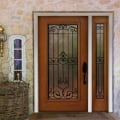
As homeowners increasingly seek ways to reduce their energy bills and minimize their environmental footprint, the focus on energy-efficient options has never been more pronounced. Among the most impactful upgrades one can make are window and door replacements, which play a crucial role in enhancing a home’s overall energy performance. However, the decision to invest in these upgrades often hinges on a thorough understanding of the cost vs. savings analysis associated with such projects. In this article, we will delve into the financial implications of replacing traditional windows and doors with energy-efficient alternatives.
We will explore not only the initial costs involved but also the long-term savings that can accrue from reduced energy consumption. By evaluating factors such as installation costs, potential rebates, and expected energy savings over time, we aim to equip you with the knowledge needed to make informed decisions. Whether you are considering a minor upgrade or a major renovation, understanding the financial impact of your choices is essential. Join us as we navigate the complexities of energy-efficient window and door replacements, shedding light on how these investments can lead to significant savings and contribute to a more sustainable future. Energy efficiency has become a crucial consideration for homeowners looking to reduce their environmental impact and lower their utility bills. Among the various elements of a home, windows and doors play a significant role in energy loss.
According to the U.S. Department of Energy, up to 30% of heating and cooling energy can be lost through inefficient windows and doors. This has led to a growing trend of homeowners seeking replacements that offer better insulation and energy savings.When it comes to choosing energy-efficient options, there are various types of windows and doors available on the market, each with its own energy ratings. The ENERGY STAR label is one of the most recognized indicators of energy efficiency, signaling that a product meets strict energy performance guidelines set by the Environmental Protection Agency.
Options such as double-glazed windows, low-E (low emissivity) coatings, and insulated doors can significantly enhance a home’s energy efficiency. These products are designed to minimize heat transfer, keeping homes warmer in the winter and cooler in the summer. The initial costs associated with purchasing and installing energy-efficient products often raise concerns among consumers. On average, energy-efficient windows can cost between $300 to $1,000 per window, while traditional options typically range from $200 to $500. Similarly, energy-efficient doors can range from $500 to $2,500 compared to standard doors that may cost between $300 to $1,200. products often raise concerns among consumers. On average, energy-efficient windows can cost between $300 to $1,000 per window, while traditional options typically range from $200 to $500. Similarly, energy-efficient doors can range from $500 to $2,500 compared to standard doors that may cost between $300 to $1,200.
While the upfront investment may seem substantial, it is essential to consider the long-term financial implications. Many homeowners have reported significant savings on their energy bills after switching to energy-efficient options. For instance, a case study from the National Association of Realtors indicates that homeowners who replaced their old windows with ENERGY STAR-rated ones experienced an average reduction of 15% in heating and cooling costs annually. Over a period of 20 years, this could translate to savings exceeding $10,000 depending on the climate and size of the home. Installation processes also play a vital role in determining overall costs. While many homeowners opt for professional installation to ensure proper sealing and performance, some choose the DIY route to save money.
Professional installation typically adds another $100 to $300 per window or door, depending on local labor rates and complexity of installation. However, improper installation can negate any energy savings gained from upgraded products, making professional help a worthwhile investment for many. Despite the advantages, several barriers may prevent homeowners from upgrading their windows and doors. The most notable barrier is the upfront costs associated with purchasing energy-efficient options. Additionally, consumer skepticism about long-term savings can deter individuals from making the switch.
Many homeowners remain unsure if the potential savings on energy bills will offset the initial investment within a reasonable timeframe. To address these concerns, testimonials from satisfied homeowners who have made the switch can be incredibly persuasive. For example, one homeowner shared their experience after replacing their old windows with ENERGY STAR-rated models: "The difference in comfort was immediate! Not only did my energy bills drop by nearly 20%, but I also noticed how much quieter my home became." Another homeowner echoed similar sentiments, stating, "Initially, I was worried about the costs, but after just two years of savings on my heating bill, I realized it was one of the best investments I've made for my home." These personal accounts highlight not only the potential for cost savings but also improvements in comfort levels. Ultimately, while cost vs. savings analysis on energy-efficient options may present challenges initially, it becomes clear that investing in better windows and doors is not just about immediate financial output; it's about long-term savings, improved home comfort, and contributing positively to the environment.
Installation Options: DIY vs. Hiring Professionals
When considering energy-efficient window and door replacements, one of the key decisions homeowners face is whether to undertake the installation themselves (DIY) or hire professionals.Each option comes with its own set of advantages and disadvantages that can impact not only the overall project cost but also the quality of the installation.
DIY installations
can be appealing for several reasons. First, they often provide a significant cost saving, as homeowners can avoid labor costs associated with hiring professionals. Additionally, taking on a DIY project allows homeowners to gain hands-on experience and a sense of accomplishment. However, it is important to consider the time investment required.Installing windows and doors can be labor-intensive and may take longer than anticipated, especially for those without prior experience. Furthermore, the skill level required should not be underestimated; improperly installed windows and doors can lead to future issues such as drafts, water leaks, and reduced energy efficiency. On the other hand, hiring professionals for window and door installations comes with its own set of benefits. Professional installers typically have the necessary expertise and tools to ensure that the job is done correctly and efficiently. This can result in a higher-quality installation that maximizes energy savings and minimizes future maintenance issues.
Additionally, many professional services offer warranties on their work, providing homeowners with peace of mind. However, this convenience does come at a price; hiring professionals can significantly increase the overall project cost. Ultimately, the choice between DIY installations and hiring professionals will depend on individual circumstances, including budget constraints, skill level, and the amount of time available for the project. Weighing these factors carefully will help homeowners make informed decisions that align with their financial goals while optimizing energy efficiency.
Understanding Energy-Efficient Windows and Doors
When it comes to improving the energy efficiency of a home, windows and doors play a crucial role. The materials and technologies used in these components significantly influence their ability to insulate and reduce energy loss.Understanding these options can help homeowners make informed decisions that lead to both comfort and savings.
Materials
used in window and door manufacturing include vinyl, wood, and fiberglass. Each of these materials has unique properties that affect energy efficiency. Vinyl is known for its durability and low maintenance, providing excellent insulation at an affordable price. Wood, while aesthetically pleasing and offering natural insulation, requires more upkeep but can be very effective when properly treated.Fiberglass is one of the most energy-efficient materials, offering superior insulation and resilience against the elements, though it often comes at a higher price point. In addition to materials, advanced technologies enhance the energy performance of windows and doors. One such technology is double glazing, which involves two panes of glass separated by a space filled with gas, such as argon or krypton, that reduces heat transfer. This design significantly minimizes heat loss in winter and keeps homes cooler in summer. Another technology is low-E coatings, which are microscopically thin layers applied to the glass surface. These coatings reflect heat back into the room during colder months while allowing sunlight to enter, maintaining warmth without compromising natural light.
By incorporating these advancements, homeowners can significantly improve their home’s energy efficiency. In summary, selecting the right materials and technologies for windows and doors is essential for maximizing energy efficiency. By understanding the benefits of various options available in the market, homeowners can make choices that align with their energy-saving goals.
Cost Analysis: Initial Investment vs. Long-Term Savings
When considering energy-efficient window and door replacements, it is crucial to conduct a thorough cost analysis that examines both the initial investment and the potential long-term savings. Traditional windows and doors often come with a lower upfront cost, but they may not provide the same level of insulation or energy savings as their energy-efficient counterparts. The initial investment for energy-efficient options typically includes higher purchase prices and installation costs due to the advanced materials and technologies used.For instance, double or triple-glazed windows with low-emissivity (Low-E) coatings can be more expensive than standard single-pane options. However, the benefits of these investments extend beyond aesthetics and comfort. Homeowners can expect to see significant savings on their energy bills over time when choosing energy-efficient windows and doors. According to various studies, replacing old, inefficient windows can lead to a reduction in heating and cooling costs by up to 25-30%. This translates into hundreds of dollars saved annually, depending on the size of the home and climate conditions. Additionally, many regions offer rebates or incentives for homeowners who invest in energy-efficient products.
These financial incentives can help offset the initial costs, making it more affordable to transition from traditional options. Homeowners should research local programs that may provide cash rebates or tax credits for qualifying energy-efficient upgrades. In summary, while the upfront costs of energy-efficient window and door replacements may be higher, the long-term savings on energy bills, combined with potential rebates, can make them a financially savvy choice for homeowners looking to improve their home’s energy efficiency.
Real-Life Savings: Case Studies and Testimonials
Many homeowners have experienced the transformative effects of upgrading their windows and doors to energy-efficient options. These real-life stories illustrate not only the initial costs involved but also the long-term energy savings that can be achieved. One homeowner, Jane, from Ohio, decided to replace her outdated windows with double-pane, low-E glass windows.Initially, she spent $10,000 on the upgrade. However, after one year, her energy bills decreased by 30%, leading to annual savings of approximately $1,200. This resulted in a payback period of just over eight years, after which she continued to reap the benefits of lower energy costs. Similarly, a couple in California invested in energy-efficient sliding glass doors. Their upfront cost was around $5,000.
They reported a significant reduction in heating and cooling costs, saving about $800 annually. The couple was not only pleased with their financial savings, but they also appreciated the enhanced comfort and aesthetic appeal these new doors brought to their home. Another compelling case comes from a family in New York who replaced all their windows with ENERGY STAR® certified options. Their total investment was $15,000. Over the course of five years, they noticed a remarkable drop in their monthly utility bills—an average savings of $150 per month.
Their satisfaction with both the product's performance and the financial return on their investment reinforced their decision to choose energy efficiency. These testimonials highlight that while the initial costs of upgrading to energy-efficient windows and doors may be considerable, the long-term savings and overall satisfaction often outweigh these initial investments. Homeowners are finding that investing in energy efficiency not only contributes to lower energy expenses but also increases the value and comfort of their homes.
Addressing Common Concerns About Energy-Efficient Upgrades
When considering upgrades to energy-efficient windows and doors, many homeowners may have reservations based on common misconceptions. Understanding these concerns and providing factual rebuttals can help in making informed decisions. One prevalent concern is the initial cost of energy-efficient products. Many homeowners believe that the upfront investment is too high compared to traditional options.While it is true that energy-efficient windows and doors can come with a higher price tag, it is essential to consider the long-term savings on energy bills. The improved insulation and reduced energy loss can lead to significant savings over time, often offsetting the initial costs. Another misconception is that energy-efficient windows and doors do not offer enough aesthetic options. Homeowners may worry that they will have to sacrifice style for efficiency. However, modern advancements in design mean that there are plenty of attractive choices available that can enhance the overall look of a home while still providing excellent thermal performance. Some individuals also doubt the actual energy savings that energy-efficient products can provide.
They may think that the difference is negligible. In reality, studies show that homes equipped with energy-efficient windows and doors can see energy savings of up to 30% compared to those with traditional options. This reduction not only benefits the homeowner's wallet but also contributes positively to the environment. Lastly, a common belief is that energy-efficient upgrades require extensive maintenance or are less durable than traditional alternatives. On the contrary, many modern energy-efficient windows and doors are designed for longevity and require minimal upkeep.
Features like low-maintenance materials and advanced coatings make these products both durable and convenient for homeowners. By addressing these common concerns with factual information, homeowners can feel more confident in their decision to pursue energy-efficient upgrades. Understanding the financial benefits and long-term value of these investments is crucial in making informed choices for a more sustainable future. In conclusion, we have explored the significance of energy efficiency in homes, particularly how windows and doors play a pivotal role in minimizing energy loss. Throughout this article, we examined the financial implications of investing in energy-efficient options versus traditional replacements. While the initial costs may appear daunting, it is essential to recognize that the long-term savings on energy bills can substantially outweigh these upfront expenses.
Moreover, the enhanced comfort within your home and potential increase in property value further justify this investment. By analyzing various factors such as installation options and real-life case studies, we aimed to provide a comprehensive understanding of the benefits associated with energy-efficient windows and doors. As you contemplate your own situation, it is crucial to weigh your unique circumstances and long-term goals. We encourage you to explore these options and make informed decisions that align with your priorities and financial plans.