Are you considering window and door replacement for your home but feeling overwhelmed by the costs involved? You're not alone. Many homeowners find themselves in a similar situation, wondering how to effectively manage their finances while ensuring they invest in quality upgrades.
Creating a Budget for Window and Door Replacement
is not just about crunching numbers; it's about making informed decisions that enhance your home's value and energy efficiency. In this article, we will guide you through the essential steps to establish a realistic budget for your replacement project. From understanding the various factors that influence costs to exploring financing options, we aim to equip you with the knowledge needed to navigate this important home improvement undertaking.By the end of this guide, you'll be better prepared to tackle your project with confidence and clarity, ensuring you achieve both aesthetic appeal and functionality without breaking the bank. So, whether you're replacing a single window or embarking on a full-scale renovation of multiple doors, let’s dive into the world of budgeting for window and door replacements. Your dream home is just a budget away!Creating a budget for window and door replacement is a crucial step in any home improvement project. The first aspect to consider is the various types of windows and doors available in the market, as each comes with its own set of materials, styles, and price ranges. Common materials for windows include vinyl, wood, fiberglass, and aluminum.
Vinyl windows are popular due to their affordability and low maintenance, typically ranging from $300 to $700 per window. Wood windows offer aesthetic appeal and can be customized but usually come at a higher cost, averaging between $800 and $1,200. Fiberglass windows are known for their durability and energy efficiency, often priced between $500 and $1,000. Aluminum windows are lightweight and resistant to the elements, but they can also be less energy-efficient, with costs ranging from $400 to $900. When it comes to doors, options include fiberglass, steel, and wood.
Fiberglass doors are energy-efficient and resistant to wear, generally costing between $600 and $2,000. Steel doors offer security at a more affordable price point, typically ranging from $300 to $1,500. Wooden doors provide a classic look but can be more expensive, with an average cost of $800 to $3,000 depending on the wood type and craftsmanship. The pricing for both windows and doors can be influenced by several factors such as size, style, and custom features. For example, larger windows or unique shapes will typically increase costs.
Custom features like decorative grilles or energy-efficient coatings can also add to the overall budget. Therefore, it is essential to determine your needs clearly before diving into the replacement process. Understanding the installation process is another critical aspect of budgeting for window and door replacement. The installation generally involves measuring the existing openings accurately, removing old windows or doors, preparing the new units for installation, ensuring proper sealing and insulation, and finally finishing with trim work. Homeowners should expect this process to take anywhere from a few hours to a full day per window or door, depending on the complexity of the project. Upgrading to energy-efficient options can significantly impact long-term savings on utility bills.
Energy-efficient windows and doors feature advanced technologies like double or triple-pane glass, low-E coatings, and gas fills that help reduce heating and cooling costs. Although these options may have a higher initial cost—often 10% to 30% more than standard models—the long-term savings on energy bills can offset these upfront expenses over time. When considering installation costs, homeowners often face the dilemma of whether to tackle the job themselves or hire a professional. DIY installation can save money—typically costing 20-50% less than hiring a pro—but it requires a certain skill level and time investment. For instance, while the materials for a DIY project might range from $300 to $900 for windows or doors alone, professional installation could add another $200 to $800 per unit. However, there are instances where hiring a professional is advisable. Energy-efficient windows and doors feature advanced technologies like double or triple-pane glass, low-E coatings, and gas fills that help reduce heating and cooling costs. Although these options may have a higher initial cost—often 10% to 30% more than standard models—the long-term savings on energy bills can offset these upfront expenses over time. When considering installation costs, homeowners often face the dilemma of whether to tackle the job themselves or hire a professional. DIY installation can save money—typically costing 20-50% less than hiring a pro—but it requires a certain skill level and time investment. For instance, while the materials for a DIY project might range from $300 to $900 for windows or doors alone, professional installation could add another $200 to $800 per unit. However, there are instances where hiring a professional is advisable.
If the installation involves structural changes, intricate designs, or if you lack the necessary tools or experience, it is wise to consult a professional contractor. This ensures that the job meets local building codes and minimizes potential issues that could arise from improper installation. Homeowners should also weigh their concerns about upfront costs against potential long-term savings. While investing in high-quality materials and professional installation may seem daunting initially, it often pays off through improved energy efficiency and increased home value. Ultimately, creating a budget for window and door replacement is about balancing immediate financial considerations with future benefits.
Benefits of Energy-Efficient Upgrades
Upgrading to energy-efficient windows and doors is not just a trend; it’s a crucial investment that can lead to significant savings on energy bills.These improvements are designed to minimize heat loss during the winter and reduce heat gain in the summer, making your home more comfortable year-round. By implementing energy-efficient upgrades, homeowners can expect a noticeable reduction in their energy consumption. According to various studies, replacing old, drafty windows and doors with modern, energy-efficient models can lower heating and cooling costs by up to 25% or more. This translates into substantial savings over time, allowing homeowners to recoup their investment through lower utility bills. Moreover, energy-efficient windows and doors contribute to a more consistent indoor climate, eliminating drafts and cold spots. This improved comfort level enhances the overall living experience in your home, making it a more inviting space for you and your family. In addition to financial benefits, energy-efficient upgrades can also increase your home’s value.
Potential buyers are often attracted to homes that promise lower energy costs and improved comfort, making these upgrades a wise choice for anyone considering selling their property in the future.
Estimating Replacement Costs
When planning for window and door replacements, a critical step is estimating replacement costs. This process involves calculating the total expenses associated with the project, which can be broken down into several key components. First, consider the materials required for the replacement. The type of windows and doors you choose will significantly impact your budget. For example, energy-efficient models may have a higher upfront cost but can lead to savings on energy bills over time.It's essential to research different materials such as vinyl, wood, or fiberglass and their associated costs to make an informed decision. Next, account for labor costs. Hiring professionals for installation is often recommended to ensure that the job is done correctly. Labor costs can vary widely based on your location and the complexity of the installation. Obtain multiple quotes from contractors to get a clearer picture of what you can expect to pay. Additionally, don’t forget about permits.
Depending on your local regulations, you may need permits for replacing windows and doors. These fees can add to your overall budget, so it’s wise to check with your local building department before proceeding. Lastly, it’s crucial to plan for unexpected expenses. Home improvement projects often come with surprises, such as damage discovered during removal or the need for additional materials. Setting aside an additional 10-20% of your total budget for these unexpected costs can help you avoid financial strain. By carefully considering all these elements when estimating replacement costs, you can create a realistic budget that covers all aspects of the window and door replacement project.
DIY vs Professional Installation
When it comes to replacing windows and doors, one of the first decisions homeowners face is whether to take the DIY approach or hire professionals.Both options come with their own set of pros and cons that can significantly impact the overall cost and quality of the project.
DIY installations
can be appealing for a number of reasons. Firstly, they often come with a lower price tag since you won't be paying for labor costs. Additionally, tackling the project yourself can be a rewarding experience, allowing you to customize the installation to your specific preferences. However, DIY projects require a certain level of skill and knowledge.Without proper experience, mistakes can lead to issues such as poor insulation, security vulnerabilities, or even damage to your home. On the other hand, hiring professionals ensures that the installation is handled by experienced individuals who understand the intricacies of window and door replacements. They have the necessary tools and expertise to avoid common pitfalls and ensure that everything is installed correctly. This can lead to better energy efficiency and improved home value in the long run. However, the downside is that professional services can be quite expensive, which may strain your budget. Ultimately, the decision between DIY and professional installation should be based on your budget, skill level, and how much time you are willing to invest in the project.
Consider your own capabilities and whether saving money is worth the potential risks associated with a less-than-perfect installation.
Installation Process Overview
Replacing windows and doors is an essential home improvement project that can enhance energy efficiency, security, and aesthetics. Understanding the installation process is crucial for effective budgeting. This process typically involves several key steps that ensure a successful replacement. The first step is to remove the old windows and doors. This involves carefully taking out the existing frames without damaging the surrounding wall structure.Tools such as pry bars and saws may be used to detach the old units from their frames. It's important to wear safety gear during this phase to prevent injuries. Next, the area must be prepared for installation. This includes cleaning the opening, inspecting it for any damage, and making necessary repairs. Ensuring that the opening is level and square is vital for the proper fitting of new windows and doors. Once the area is prepared, it’s time to install the new windows and doors.
The new units should be placed into the openings, making sure they are aligned correctly. Shims may be used to adjust the fit and ensure that they are level. After positioning them accurately, the units are secured in place. Following installation, it’s important to seal and insulate around the frames. This helps prevent drafts and improves energy efficiency.
Proper sealing also protects against moisture intrusion, which can lead to mold and structural damage. Finally, perform a final inspection. Check for any gaps or issues with operation. Make sure that locks and handles function properly and that everything is sealed tight. After ensuring everything is installed correctly, you can proceed to finish any interior or exterior trim work. By understanding these steps in the installation process, homeowners can better plan their budget and manage their expectations for window and door replacement projects.
Understanding Window and Door Options
When planning for window and door replacement, it is crucial to understand the various types of windows and doors available on the market.Each option comes with its own set of features, advantages, and cost implications that can significantly impact your overall budget.
Types of Windows:
1.Double-Hung Windows:
These are traditional windows with two sashes that slide up and down. They offer excellent ventilation and ease of cleaning. However, they can be more expensive than single-hung options and may require more maintenance.2.Casement Windows:
Hinged on one side, casement windows open outward, providing maximum ventilation and unobstructed views. They tend to be more energy-efficient but can be pricier due to their design.3.Sliding Windows:
These windows slide horizontally, making them ideal for areas where space is limited.They are generally less expensive but may not provide as much insulation as other types.4.
Bay and Bow Windows:
These windows extend beyond the exterior wall, creating a nook inside. They enhance aesthetics and natural light but often come with higher installation costs.Types of Doors:
1.Entry Doors:
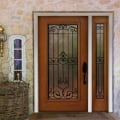
The front door sets the tone for your home’s exterior. Options include steel, fiberglass, and wood, each varying in durability and cost. Steel doors are generally the most secure, while wood doors offer classic appeal but require more maintenance.2.Patio Doors:
These can be sliding or hinged doors that open to outdoor spaces.Sliding patio doors are space-efficient, while hinged doors provide a larger opening but require more clearance.3.
French Doors:
Known for their elegance, French doors are typically double doors that swing open, adding a touch of sophistication to any entryway. They can be more expensive due to their design and materials.4.Storm Doors:
Installed over entry doors, storm doors provide additional protection against weather elements. They are an affordable way to improve insulation and security but may require regular upkeep.Cost Implications:
The cost of window and door replacement varies widely based on materials, styles, and energy efficiency ratings. Generally, higher-quality options tend to have a higher upfront cost but can lead to savings in energy bills over time.It’s essential to consider both the initial investment and long-term benefits when budgeting for these replacements. By understanding the different types of windows and doors available, homeowners can make informed decisions that align with their budget while enhancing the value and comfort of their homes. In conclusion, creating a budget for window and door replacement is a crucial step that can lead to significant savings and enhancements in your home. Throughout this article, we have discussed the various window and door options, the importance of estimating replacement costs, and provided an overview of the installation process. We highlighted the numerous benefits that come from investing in energy-efficient upgrades, as well as the considerations of DIY vs professional installation.By taking the time to develop a well-thought-out budget, homeowners can not only manage their expenses effectively but also increase the overall value of their property. Remember, the first step towards a successful window and door replacement project is assessing your specific needs and gathering quotes from qualified contractors or exploring feasible DIY options.
Start your journey today by evaluating your requirements and setting a clear budget.