Are you tired of drafty spaces, outdated designs, or simply ready to enhance your home's curb appeal? Installing a new door can be a transformative project that not only boosts your property's aesthetics but also improves energy efficiency and security. However, the thought of tackling a door installation might seem daunting, especially if you’re unsure where to start. Fear not! In this comprehensive guide, we will walk you through the Are you tired of drafty spaces, outdated designs, or simply ready to enhance your home's curb appeal? Installing a new door can be a transformative project that not only boosts your property's aesthetics but also improves energy efficiency and security. However, the thought of tackling a door installation might seem daunting, especially if you’re unsure where to start. Fear not! In this comprehensive guide, we will walk you through the step-by-step installation of a new door, ensuring you have all the tools, tips, and tricks needed for a successful DIY project. Whether you're replacing an old door or installing a brand-new one, understanding the proper techniques and processes is crucial. From selecting the right door for your space to ensuring it fits snugly and operates smoothly, our guide will cover every aspect of the installation process.
So, roll up your sleeves and get ready to add value and style to your home with a beautifully installed door!Let’s dive into the specifics of how to install a new door properly, making sure that by the end of this article, you'll feel confident and prepared to tackle this home improvement task with ease. When considering how to install a new door properly, it is essential to understand the various types of doors available on the market. The most common types include , it is essential to understand the various types of doors available on the market. The most common types include entry doors, patio doors, and interior doors. Each type has specific features designed to meet different needs.
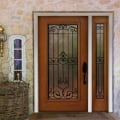
Entry doors
are typically more robust, made from materials like fiberglass or steel, and often come with enhanced security features.They serve as the first line of defense against intruders and also play a significant role in your home’s curb appeal.
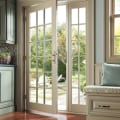
Patio doors
, on the other hand, are designed to facilitate access to outdoor spaces. They can be sliding or hinged and are often made of glass to maximize natural light and provide a view of the outdoors.Interior doors
are usually lighter and less expensive, serving purposes such as privacy between rooms or aesthetic enhancement. The installation process for any new door can be broken down into manageable steps, ensuring that even novice DIYers can achieve a professional-looking result.Start by measuring the existing door frame to determine the correct size for your new door. Measure the width and height at three points each (top, middle, bottom) to account for any irregularities in the frame. When selecting materials, consider both durability and aesthetics; solid wood offers a classic look but may require more maintenance compared to composite materials. Once you have your door, gather the necessary tools: a drill, level, measuring tape, hammer, screwdriver, chisel, and wood shims. Begin the installation by removing the old door and preparing the frame.
Check for squareness using a level; this is crucial for ensuring that your new door hangs correctly. If necessary, make adjustments by shimming the frame until it is level. Place the new door into the frame, ensuring that it swings open and closed smoothly. During installation, you may encounter several challenges. For example, if the door does not fit snugly within the frame, you might need to trim it slightly or adjust shims for a better fit.
If you notice gaps between the door and frame after installation, consider using weather stripping to improve energy efficiency and prevent drafts. The cost of installing a new door can vary significantly based on whether you choose to DIY or hire professionals. For DIY installations, you can expect to spend anywhere from $100 to $500 for materials, depending on the door type and quality. Hiring a professional can elevate costs to between $300 and $1,500 or more when factoring in labor costs and additional services such as disposal of the old door. Factors influencing pricing include door material, size, style, and complexity of installation. Upgrading to energy-efficient doors can offer substantial benefits beyond just aesthetics.
These doors are designed with advanced insulation materials and technologies that help regulate indoor temperatures, ultimately impacting your energy bills positively. For instance, replacing a standard entry door with an energy-efficient model can reduce heating and cooling costs by up to 20%. Energy-efficient doors often come with low-E glass coatings that minimize heat transfer while providing natural light. In summary, understanding the types of doors available and following a structured installation process will empower homeowners to tackle their projects confidently. With careful measurement, material selection, and an awareness of potential challenges, anyone can successfully install a new door that enhances both functionality and energy efficiency in their home.
Benefits of Energy-Efficient Doors
Installing energy-efficient doors is not just a smart choice for the environment; it also brings significant advantages to your home and wallet.One of the most compelling benefits is the potential for lower utility bills. Traditional doors can be prone to drafts and heat loss, forcing your heating and cooling systems to work harder. In contrast, energy-efficient doors are designed with advanced materials and insulation techniques that minimize air leakage, ensuring that your home stays comfortable year-round without excessive energy use. Moreover, these doors often feature double or triple glazing, which improves thermal performance and can significantly reduce heating and cooling costs. By investing in energy-efficient doors, homeowners can expect to see a noticeable decrease in their monthly energy expenses. In addition to financial savings, energy-efficient doors enhance overall home comfort.
With better insulation, these doors help maintain a consistent indoor temperature, reducing cold spots and drafts. This creates a more pleasant living environment, especially during extreme weather conditions. Furthermore, energy-efficient doors can contribute to noise reduction, helping to keep your home quieter and more serene. Ultimately, choosing energy-efficient doors is a wise investment that not only lowers your utility bills but also enhances your overall living experience.
Types of Doors
When considering a door replacement, it's essential to understand the various types of doors available, as they can significantly impact both the functionality and aesthetics of your home. Doors come in a variety of materials and styles, each offering unique benefits.Wood doors
are popular for their natural beauty and versatility.They can be stained or painted to match any decor, providing a classic look. However, wood is susceptible to warping and requires regular maintenance to prevent damage from moisture.
Fiberglass doors
are an excellent alternative, especially for exterior applications. They are durable, resistant to dents, and provide good insulation, making them energy-efficient options. Additionally, fiberglass can mimic the appearance of wood without the associated maintenance.Steel doors
are known for their strength and security.They offer superior protection against intruders and are resistant to fire. While they may not provide the same aesthetic appeal as wood or fiberglass, they can be painted and are ideal for areas requiring enhanced security. In terms of styles, hinged doors are the most common type found in homes. They swing open and closed on hinges and can be used for both interior and exterior applications. On the other hand, sliding doors, which glide along a track, are ideal for saving space and are often used in patios or closets. Each type of door serves specific purposes and has its own set of advantages and disadvantages.
Understanding these differences will help you make an informed decision when selecting the right door for your installation project.
Preparing for Installation
Before you embark on the journey of installing a new door properly, it’s essential to prepare adequately. This preparation begins with precise measurements and gathering the right tools. Proper measurements ensure that your new door fits seamlessly into the existing frame, preventing issues that could lead to inefficiency and aesthetic concerns. To measure for a new door, start by using a tape measure to determine the width and height of the existing door frame. Measure the width at three points: the top, middle, and bottom of the frame.Record the smallest measurement, as this will be your reference for ordering a new door. Next, measure the height in the same manner by taking measurements from the sill to the top of the frame, again noting the shortest distance. In addition to measuring the door frame, consider the thickness of your current door. Standard doors typically range from 1 3/8 inches to 1 3/4 inches thick. If you are replacing an interior door with an exterior one or vice versa, ensure that your new door matches the thickness required for proper installation. As for tools, gather a few essential items before starting your project: you will need a tape measure, a level to ensure your door hangs straight, a screwdriver (both Phillips and flathead), a hammer, and potentially a drill for installing hinges or a doorknob.
Having these tools ready will streamline your installation process and help you achieve better results. By taking these initial steps and ensuring you have accurate measurements and the right tools on hand, you are well on your way to successfully installing a new door properly.
Cost Considerations
When planning to install a new door, it is crucial to understand the typical costs associated with both purchasing and installation. The overall expense can vary widely based on several factors, including the type of door, material, and whether you choose to install it yourself or hire a professional. First, let’s look at the cost of the door itself. Basic interior doors can range from $50 to $200, while exterior doors, especially those made from fiberglass or solid wood, can cost between $200 and $1,500 or more. Specialty doors, such as sliding patio or French doors, may even exceed $2,000. In addition to the door's price, you should also consider the installation costs.If you opt for professional installation, labor costs typically range from $100 to $300 per door. For more complex installations or custom doors, expect to pay higher rates. If you decide to take on the DIY installation, you might save on labor costs but will need to invest in tools and materials such as screws, hinges, and weather stripping. Furthermore, don't forget about additional expenses that might arise during the process. This can include removing the old door, repairing or replacing the frame, and making necessary adjustments for insulation and energy efficiency.
These can add anywhere from $50 to several hundred dollars to your total cost. In summary, when considering a new door installation, budget not only for the purchase price of the door but also for installation and any additional repair costs. Proper planning will ensure that you make an informed decision that fits within your budget while achieving your desired aesthetic and functional results.
DIY vs. Professional Installation
When it comes to installing a new door, one of the first decisions you need to make is whether to take on the project yourself or hire a professional. Both options come with their own set of pros and cons, so it's essential to weigh these factors before proceeding.DIY Installation
can be a rewarding experience, especially for those who enjoy hands-on projects.One of the major advantages of DIY is cost savings. By handling the installation yourself, you can save on labor costs, which can be significant, especially if you're replacing multiple doors. Additionally, taking on this project allows you to customize the installation process according to your preferences and timeline. However, DIY installation also has its challenges. If you're not experienced with carpentry or home improvement projects, you may encounter difficulties that could lead to mistakes.
Improper installation can result in functional issues such as drafts, misalignment, or even security vulnerabilities. Furthermore, if you lack the necessary tools or skills, you might find yourself needing to hire a professional anyway, negating any cost savings. On the other hand, hiring a professional for door installation ensures that the job is done right the first time. Professionals bring expertise and experience, which can be especially beneficial for complex installations or unique door types. They also have access to specialized tools and materials that may not be available to the average homeowner. The downside of hiring a professional is the increased cost.
Labor fees can add up quickly, making this option less appealing for budget-conscious homeowners. Additionally, scheduling and availability may also pose challenges, particularly if you need the installation done within a specific timeframe. In conclusion, whether you choose to go the DIY route or hire a professional will depend on your skill level, budget, and the complexity of the installation. Assessing these factors carefully will help you make an informed decision that leads to a successful door installation.
Installation Steps
Installing a new door may seem daunting, but with the right approach and tools, it can be a rewarding DIY project. Follow these step-by-step installation instructions to ensure your door is installed properly.Step 1: Gather Your Tools and Materials
Before starting, make sure you have all the necessary tools and materials.
You will need a new door, door frame (if applicable), screws, a screwdriver, a level, a tape measure, shims, and possibly a saw for adjustments.
Step 2: Remove the Old Door
Carefully take off the existing door by removing the hinges with your screwdriver. If the door frame needs replacement, remove it as well by unscrewing or prying it out.
Step 3: Prepare the Door Frame
Check the condition of the door frame. If it’s in good shape, clean any debris and ensure it’s square. Use your level to check for evenness; if it’s not square, you may need to adjust it before proceeding.
Step 4: Install the New Door Frame
If you’re replacing the frame, position the new frame into the opening.
Use shims to adjust it until it is level and plumb. Secure it in place with screws.
Step 5: Hang the New Door
With the frame secure, it’s time to hang your new door. Align the hinges on the door with those on the frame and attach them using screws. Make sure to leave a small gap at the top and sides for proper clearance.
Step 6: Check Alignment and Functionality
Once hung, check that the door swings open and closed smoothly without sticking.
Adjust hinges or add shims as necessary to perfect its alignment.
Step 7: Install Hardware
Add any hardware such as doorknobs or locks according to manufacturer instructions. Make sure they are securely fastened and functional.
Step 8: Finish Up
Lastly, fill any gaps around the frame with caulking for energy efficiency and aesthetics. Clean up your work area and enjoy your newly installed door!By following these installation steps, you can ensure that your new door is installed properly, enhancing both functionality and energy efficiency in your home. In conclusion, we have explored the essential aspects of installing a new door properly, covering various types of doors, preparation for installation, and the choice between DIY and professional help. It is crucial for homeowners to consider their options carefully when selecting a door type, keeping in mind factors such as aesthetics, energy efficiency, and functionality.
Whether you choose to take on the installation yourself or hire a professional, understanding the installation steps and associated cost considerations will ultimately lead to a more informed decision. Moreover, proper installation is key to ensuring the longevity and efficiency of your new door. By following best practices and understanding the benefits of energy-efficient doors, you can enhance your home's comfort and reduce energy costs in the long run. Remember, investing time in this process can pay off significantly in terms of both performance and appearance.