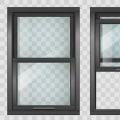
When it comes to enhancing the beauty and functionality of your home, choosing the right sliding patio door can make a world of difference. These elegant doors not only provide a seamless transition between your indoor and outdoor spaces but also flood your rooms with natural light, creating an inviting atmosphere. With so many options available on the market today, selecting the ideal sliding patio door can feel overwhelming. From various materials and styles to energy efficiency ratings and security features, there are numerous factors to consider in order to find the perfect fit for your home.
Are you looking for something sleek and modern, or do you prefer a more traditional aesthetic? Perhaps you’re prioritizing durability and insulation over design? In this article, we will guide you through the essential aspects of selecting a sliding patio door that aligns with your needs and complements your home's architectural style. Join us as we delve into the critical elements that will help you navigate this important decision, ensuring that your choice not only enhances your living space but also adds value to your property. With our expert insights and tips, you'll be well-equipped to make an informed decision that you’ll be happy with for years to come. When it comes to choosing the right sliding patio door, homeowners are presented with a variety of options that cater to different aesthetic preferences, functional needs, and budget constraints. The most common materials available in the market include vinyl, wood, fiberglass, and aluminum.
Each material has its own set of advantages and disadvantages that can significantly influence the overall experience of using a sliding patio door. Vinyl doors are known for their affordability and low maintenance requirements. They are resistant to moisture, which makes them an excellent choice for humid climates. However, they may not offer the same level of durability as other materials and can be prone to fading over time when exposed to direct sunlight. On the other hand, wood doors provide a classic look and exceptional insulation properties, but they require regular maintenance to prevent rot and warping.
Fiberglass sliding doors stand out for their strength and energy efficiency; they can mimic the appearance of wood without the associated upkeep. However, they tend to be more expensive than both vinyl and wood options. Lastly, aluminum doors are sturdy and lightweight, making them a popular choice for larger openings. While they are durable, they can conduct heat and cold more than other materials unless equipped with thermal breaks. In addition to material considerations, the style of the sliding patio door plays a crucial role in functionality and appearance.
Traditional sliding doors are the most common type, featuring two panels that slide past each other. French sliding doors combine the elegance of traditional French doors with the functionality of sliding mechanisms, offering a stylish option for those looking to enhance their home’s aesthetic appeal. Multi-slide doors take things a step further by allowing multiple panels to slide open or stack against one another, creating a seamless transition between indoor and outdoor spaces. Each style has its unique charm and practicality, but it’s essential to consider how these options fit into your home’s design. The pricing for sliding patio doors varies widely based on material, style, and brand. Traditional sliding doors are the most common type, featuring two panels that slide past each other. French sliding doors combine the elegance of traditional French doors with the functionality of sliding mechanisms, offering a stylish option for those looking to enhance their home’s aesthetic appeal. Multi-slide doors take things a step further by allowing multiple panels to slide open or stack against one another, creating a seamless transition between indoor and outdoor spaces. Each style has its unique charm and practicality, but it’s essential to consider how these options fit into your home’s design. The pricing for sliding patio doors varies widely based on material, style, and brand.
Vinyl doors typically range from $1,000 to $2,500, while wood doors can cost between $1,500 and $4,000 depending on the type of wood and customizations. Fiberglass options might start at around $2,000 and go up to $5,000 or more for high-end models. Aluminum doors generally fall within the $1,500 to $3,500 range. Factors influencing these costs include size, energy efficiency ratings, and whether you choose custom features like decorative grids or specialized finishes. The installation process of sliding patio doors requires careful preparation to ensure optimal performance and aesthetics.
Homeowners should first measure the opening accurately and consider any structural modifications needed before installation. Depending on the complexity of the project and the homeowner's skill level, they may choose to tackle this as a DIY project or hire professionals. While DIY installation can save money, it’s crucial to have the right tools and experience to avoid common pitfalls such as misalignment or improper sealing. Upgrading to energy-efficient sliding patio doors can yield significant benefits beyond aesthetics. These doors are designed to minimize heat transfer, which helps maintain comfortable indoor temperatures throughout the year.
Homeowners often see lower utility bills as a result of reduced heating and cooling demands. For instance, a case study in a temperate climate showed that replacing old sliding doors with energy-efficient models led to a 20% reduction in monthly energy costs during peak seasons. Despite these benefits, some homeowners may have concerns regarding installation challenges or costs associated with upgrading their sliding patio doors. It's important to remember that investing in quality doors not only enhances your home’s appearance but also improves its energy efficiency and resale value. Additionally, many manufacturers offer warranties that can provide peace of mind regarding potential issues after installation. In conclusion, selecting the ideal sliding patio door involves thoughtful consideration of materials, styles, costs, and installation processes.
By understanding these factors and weighing them against personal preferences and needs, homeowners can make an informed decision that enhances both their living space and lifestyle.
Benefits of Energy Efficiency
When selecting a sliding patio door, one of the most significant factors to consider is energy efficiency.Energy-efficient models
are designed to minimize heat loss in the winter and reduce heat gain in the summer, which can lead to substantial savings on energy bills. By investing in a high-quality sliding patio door, homeowners can enhance their home’s overall energy performance. One of the primary advantages of energy-efficient sliding patio doors is their ability to provide better insulation. These doors often feature double or triple glazing, low-emissivity (Low-E) glass, and insulated frames that work together to create a thermal barrier.This insulation helps maintain a comfortable indoor temperature, reducing the need for excessive heating or cooling. Additionally, energy-efficient sliding patio doors can significantly improve indoor air quality. By preventing drafts and reducing condensation buildup, these doors help create a healthier living environment. Homeowners can enjoy natural light and beautiful views without sacrificing comfort or increasing their energy usage. Furthermore, many energy-efficient models are designed with sustainability in mind. Opting for these doors not only benefits your household but also contributes to reducing overall energy consumption and carbon footprint.
Over time, the investment in an energy-efficient sliding patio door pays off through lower utility bills and potential tax credits or rebates for eco-friendly home improvements. In conclusion, choosing an energy-efficient sliding patio door is not just about aesthetics; it is a smart decision that impacts your home's energy savings and environmental footprint. Homeowners who prioritize energy efficiency will find that the right door selection can lead to both immediate and long-term benefits.
Installation Process
Installing a sliding patio door can be a rewarding project that enhances your home's functionality and aesthetic appeal. Understanding the installation process is crucial whether you choose to tackle it as a DIY project or hire professionals. The first step in the installation process is to measure your existing door frame accurately. This ensures that the new sliding patio door fits perfectly within the space.Once you have your measurements, it's important to select a door that matches those specifications. Next, prepare the area by removing the old door and ensuring that the frame is clean and level. This may involve repairing any damage to the surrounding structure. Afterward, you will want to install a sill pan to direct water away from the door, preventing potential leaks. With the frame ready, it's time to place the new sliding patio door into the opening. Make sure it is level and plumb, adjusting as necessary.
Secure the door according to the manufacturer's instructions, which typically involves anchoring it into the framing with screws. If you're considering a DIY approach, ensure you have all the necessary tools, such as a drill, level, and measuring tape. However, if you're unsure about any step in the installation process, hiring a professional can save time and ensure that the installation is done correctly. Professionals bring experience and expertise, which can be particularly valuable when dealing with potential complications like structural issues or weatherproofing. Ultimately, whether you choose to install the door yourself or seek professional help, understanding the installation process will help you make informed decisions and achieve a successful result.
Types of Sliding Patio Doors
When it comes to choosing the right sliding patio door, understanding the different types of sliding patio doors available is crucial. Each type comes with its own set of materials and styles, catering to various preferences and needs.Materials
are one of the first factors to consider.The most common materials include:
- Vinyl: Known for its durability and low maintenance, vinyl sliding patio doors are resistant to moisture, making them ideal for homes in humid climates. They are available in a variety of colors and styles, providing flexibility for homeowners.
- Wood: Offering a classic and warm aesthetic, wood sliding patio doors can be customized with different stains and finishes. However, they require regular maintenance to prevent warping and damage from moisture.
- Fiberglass: This material combines the beauty of wood with the durability of vinyl. Fiberglass sliding doors are energy-efficient and resistant to dents and scratches, making them a long-lasting choice.
- Aluminum: Lightweight yet strong, aluminum sliding patio doors offer a sleek modern look.
They are highly customizable but may not provide the same level of insulation as other materials unless they have thermal breaks.
- Traditional: These doors typically feature a simple design with a single or double panel that slides open horizontally. They are versatile and can fit various home styles.
- French: Characterized by their elegant design, French sliding patio doors consist of two panels that slide apart. They can add a touch of sophistication while allowing ample natural light into your home.
- Multi-slide: Ideal for larger openings, multi-slide doors have multiple panels that can stack to one side or slide into a pocket within the wall.
This style creates a seamless transition between indoor and outdoor spaces, perfect for entertaining.
Cost Considerations
When choosing the right sliding patio door, understanding the cost implications is crucial. The price of sliding patio doors can vary significantly based on several factors, including materials, size, and features. Generally, homeowners can expect to pay anywhere from $500 to $5,000 for a sliding patio door. The most common materials used for sliding patio doors are vinyl, wood, and aluminum.Vinyl sliding doors
tend to be the most affordable option, typically ranging from $500 to $1,500.They offer durability and low maintenance but may not provide the same aesthetic appeal as wood.
Wood sliding doors
, on the other hand, can range from $1,000 to $3,000. They offer a classic look and excellent insulation but require more maintenance to prevent weathering. Lastly, aluminum sliding doors are generally priced between $700 and $2,500. They are known for their strength and slim profiles but may not be as energy-efficient as other materials. Additionally, size plays a crucial role in determining cost.Standard sizes are usually less expensive, while custom sizes can significantly increase the overall price. Homeowners should also consider whether they want additional features such as built-in blinds, enhanced security options, or energy-efficient glazing, which can further impact the total cost. Installation costs should also be factored into the budget. Hiring a professional can add $200 to $1,000 to the overall expense, depending on the complexity of the installation. It’s essential to get multiple quotes and ensure that any contractor you hire has experience with sliding patio doors. In conclusion, while it’s important to find a sliding patio door that fits your style and needs, being aware of the various cost factors will help you make an informed decision that aligns with your budget. In conclusion, choosing the right sliding patio door is a vital step in enhancing your home's overall appeal and functionality.
As discussed, the various types of sliding patio doors available can cater to different aesthetic preferences and practical requirements. Understanding cost considerations and the installation process is equally important, ensuring that homeowners can make a choice that fits within their budget while meeting their needs. Moreover, prioritizing energy efficiency can lead to long-term savings and a more sustainable home environment. Therefore, it’s essential to assess your specific needs, style preferences, and budget constraints before making a purchase. By doing so, you empower yourself to select a sliding patio door that not only enhances the beauty of your home but also provides lasting benefits.