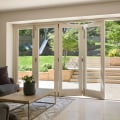
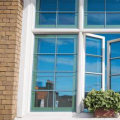
When it comes to enhancing the aesthetic appeal and functionality of your home, single-hung windowssingle-hung windows stand out as a timeless choice. These classic windows offer a blend of traditional design and modern efficiency, making them a popular option for homeowners looking to balance style with practicality. But what exactly are the best uses for single-hung windows? In this article, we will delve into the myriad advantages of installing these versatile windows in various areas of your home. Single-hung windows are characterized by their unique design, featuring a fixed top sash and a bottom sash that can be opened vertically. This means that they not only provide excellent ventilation but also fit seamlessly into a wide range of architectural styles—from quaint cottages to contemporary homes.
As we explore the numerous benefits these windows offer, we will uncover how they can enhance your living space while providing energy efficiency and security. Whether you are considering a renovation, building a new home, or simply curious about your window options, understanding the advantages of single-hung windows can empower you to make informed decisions. Join us as we explore how these enduring windows can transform your home into a more comfortable and inviting sanctuary.
Single-hung windows
are a popular choice for homeowners looking to enhance their living spaces while maintaining functionality and aesthetics. These windows feature a fixed upper sash and a lower sash that can be raised and lowered for ventilation. This design sets them apart from double-hung windows, where both sashes can move.As homeowners consider window replacements, understanding the benefits and applications of single-hung windows becomes crucial. One of the primary advantages of single-hung windows is their ease of use. The single-operable sash allows for simple operation, making it easy for anyone in the household to open or close the window. This feature is especially beneficial in areas like bedrooms and living rooms, where residents often seek fresh air without the hassle of complicated mechanisms. Additionally, the straightforward design typically results in fewer mechanical issues over time, giving homeowners peace of mind. Energy efficiency is another significant benefit of single-hung windows.
Many modern versions come equipped with energy-efficient glass and weather stripping, helping to reduce heating and cooling costs. Homeowners are increasingly interested in energy-efficient options, and single-hung windows can be an excellent choice for those looking to minimize energy consumption. When installed properly, these windows can help maintain comfortable indoor temperatures, making them ideal for locations that experience extreme weather conditions. Affordability is a compelling factor when considering single-hung windows. Compared to their double-hung counterparts or more complex window styles, single-hung windows are often more budget-friendly.
This makes them an attractive option for first-time homebuyers or those looking to upgrade their homes without breaking the bank. Practical examples of where these windows shine include kitchens, where homeowners might want to open a window while cooking to let out steam and odors, or bathrooms, where ventilation is vital. While single-hung windows offer numerous benefits, it's important to address potential drawbacks or misconceptions. One common concern is the limited ventilation compared to double-hung windows. Since only the lower sash opens, some homeowners might feel that they do not get enough airflow.
However, strategic placement of these windows can still facilitate adequate ventilation throughout the home, especially when paired with other window types or ventilation systems. When considering the cost of single-hung windows, it's essential to look at both purchasing and installation expenses. On average, single-hung windows can range from $150 to $300 each, depending on materials and features. Installation costs may vary based on location and complexity but can generally add another $100 to $200 per window. When compared to other window types like double-hung, which can cost upwards of $500 each when factoring in installation, single-hung windows clearly present a more economical choice. The installation process for single-hung windows can be straightforward but does require careful attention to detail.
Homeowners who are handy may consider DIY installation, which involves measuring the existing window frame, removing the old window, and placing the new one securely. However, those unfamiliar with construction may find it beneficial to hire a professional installer to ensure that everything is sealed correctly and operates smoothly. Professionals can also provide insights into local building codes and regulations, which can be invaluable during the installation process. In conclusion, single-hung windows represent a practical and stylish choice for homeowners looking to replace or upgrade their existing windows. With benefits such as ease of use, energy efficiency, and affordability, they can enhance comfort and aesthetics in various home settings.
By understanding their applications and weighing potential drawbacks against their advantages, homeowners can make informed decisions that align with their needs and budgets.
Benefits of Single-Hung Windows
One of the primary advantages of single-hung windows is their impressive energy efficiency. These windows feature a fixed upper sash and a movable lower sash, which helps to minimize air leakage. This design not only reduces energy loss but also contributes to lower heating and cooling costs, making them an ideal choice for homeowners looking to enhance their home's energy performance. Another significant benefit is the ease of cleaning. With the lower sash being the only operable section, homeowners can easily access both the interior and exterior surfaces from inside the home.This accessibility eliminates the need for ladders or extended tools, making routine maintenance more manageable and less time-consuming. Moreover, aesthetic appeal plays a crucial role in the popularity of single-hung windows. Their classic design complements various architectural styles, from traditional to contemporary. Homeowners can choose from a range of materials, colors, and finishes, allowing them to customize their windows to enhance their home's curb appeal while ensuring they blend seamlessly with the overall design. In summary, single-hung windows offer homeowners an attractive combination of energy efficiency, ease of cleaning, and aesthetic appeal, making them a preferred option in residential window solutions.
Energy Efficiency Considerations
Upgrading to energy-efficient single-hung windows can significantly impact your home's energy consumption and utility bills. These windows are designed to minimize heat transfer, keeping your home warmer in the winter and cooler in the summer.By effectively insulating your home, energy-efficient single-hung windows reduce the demand on your heating and cooling systems, which can lead to noticeable savings on your energy bills. Many energy-efficient single-hung windows feature advanced technologies such as double or triple glazing, Low-E coatings, and gas fills that work together to enhance thermal performance. Low-E coatings reflect heat while allowing natural light to enter, further improving energy efficiency without compromising aesthetics. Additionally, gas fills like argon or krypton between the panes provide extra insulation, reducing the amount of energy lost through the windows. Homeowners often find that investing in energy-efficient single-hung windows not only contributes to lower utility costs but also increases the overall comfort of their living spaces. With proper installation and maintenance, these windows can last for many years, making them a wise long-term investment for any homeowner looking to enhance their home's energy efficiency.
Cost Estimates for Replacement
When considering single-hung windows for your home, understanding the cost estimates for replacement is crucial.The overall expense can vary based on several factors, including materials, size, and installation complexity. On average, homeowners can expect to pay between $300 to $800 per window for standard-sized single-hung windows, excluding installation costs. The materials chosen for the windows significantly influence the price. Vinyl windows typically range from $300 to $600, while wood options may cost between $600 to $1,200. Aluminum frames are also available and can range from $400 to $800.
Additionally, energy-efficient models with better insulation may come at a premium. Installation costs can vary widely depending on the complexity of the job and local labor rates. On average, homeowners should budget an additional $100 to $300 per window for professional installation. If replacing multiple windows, some contractors may offer discounts for bulk installations. Furthermore, consider any additional features you may want to include with your single-hung windows, such as custom sizes or decorative grids, which can further increase the total cost. Always request multiple quotes from contractors to ensure you receive a fair estimate that includes both materials and labor. In summary, while the initial investment in single-hung windows can vary, it is essential to weigh these costs against the potential long-term energy savings and improved comfort they can provide in your home.
Installation Process: DIY vs.
Professional ServicesInstalling single-hung windows can be a rewarding project for homeowners looking to enhance their home’s energy efficiency and aesthetic appeal. Understanding the installation process is crucial whether you choose to take on the task yourself or hire professionals. The first step in installing single-hung windows is to measure the existing window frame accurately. This involves checking the width, height, and depth of the opening to ensure that the new window fits perfectly. Once you have your measurements, you can purchase the right size window. The next step involves removing the old window.
This includes taking off any trim or casing around the window and carefully extracting the old frame. It’s important to do this carefully to avoid damaging the surrounding structure. After removing the old window, clean the opening thoroughly to prepare for the new installation. Once the opening is ready, you can begin installing the single-hung window. Start by placing the window into the opening, ensuring it is level and plumb.
Use shims to adjust and support the window as needed. After securing it in place, it’s time to insulate around the frame with foam or fiberglass insulation to prevent air leaks. The final steps involve sealing the window with caulk and replacing any trim or casing that was removed during the process. This ensures not only a clean finish but also adds protection against moisture. While DIY installation can save money, there are times when enlisting professional services is advisable. If you are uncomfortable with handling tools, lack experience in home improvement projects, or if your window openings require extensive modifications, hiring a professional ensures a proper installation. Use shims to adjust and support the window as needed. After securing it in place, it’s time to insulate around the frame with foam or fiberglass insulation to prevent air leaks. The final steps involve sealing the window with caulk and replacing any trim or casing that was removed during the process. This ensures not only a clean finish but also adds protection against moisture. While DIY installation can save money, there are times when enlisting professional services is advisable. If you are uncomfortable with handling tools, lack experience in home improvement projects, or if your window openings require extensive modifications, hiring a professional ensures a proper installation.
Additionally, professionals can often provide warranties on their work, offering peace of mind. Ultimately, whether you choose to install single-hung windows yourself or seek professional help will depend on your comfort level, experience, and specific project requirements.
Ideal Locations for Single-Hung Windows
Single-hung windows are a popular choice for many homeowners due to their versatile functionality and aesthetic appeal. Understanding the ideal locations for these windows can greatly enhance both the beauty and efficiency of your home. One of the most common settings for single-hung windows is in living rooms. These windows allow natural light to flood the space while providing a classic look that complements various interior designs. Their ability to open from the bottom makes them perfect for ventilation without compromising privacy, making living rooms feel more inviting and airy. Another excellent location for single-hung windows is in bedrooms.Homeowners often seek to create a peaceful retreat, and these windows fit the bill perfectly. Their ease of operation allows for controlled airflow, helping to maintain a comfortable sleeping environment. Additionally, they can be positioned higher on the wall to provide privacy while still allowing in light.
Single-hung windows
are also well-suited for kitchens. Placed above sinks or countertops, they enable homeowners to enjoy fresh air while cooking or cleaning.Their design minimizes the risk of water damage since they do not open outward, making them practical in spaces where space is limited. In bathrooms, single-hung windows provide an excellent solution for ventilation and light. Positioning these windows near showers or tubs can help reduce humidity levels while maintaining privacy, especially when frosted glass options are chosen. Lastly, single-hung windows can be effectively utilized in hallways or stairwells. These areas often lack natural light, and adding single-hung windows can brighten up the space significantly. They can also enhance the overall aesthetic appeal of your home by creating a cohesive design throughout. In summary, whether you're considering single-hung windows for your living room, bedroom, kitchen, bathroom, or hallway, their adaptability makes them an excellent choice for enhancing functionality and style in any room of your home. In conclusion, single-hung windows offer a range of benefits that make them an excellent choice for many homeowners.
Their energy efficiency, affordability, and versatility in various residential settings highlight their suitability for home improvement projects. Whether you're looking to enhance curb appeal, improve energy savings, or simply replace old windows, single-hung windows can meet your needs effectively. As discussed, these windows are particularly ideal for locations where ventilation is essential while maintaining a traditional aesthetic. The cost estimates for replacement and the considerations between DIY installation versus hiring professionals provide valuable insights for homeowners planning their projects. Ultimately, it’s essential to evaluate your specific requirements and preferences when selecting window types to ensure you make the best choice for your home.