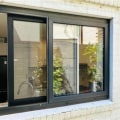
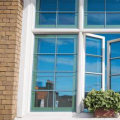
In today’s world, where sustainability and energy conservation are becoming increasingly important, energy-efficient windows and doorsenergy-efficient windows and doors play a crucial role in enhancing the comfort and efficiency of our homes. As homeowners seek to reduce their carbon footprint and lower energy bills, the demand for high-quality products that combine aesthetics with functionality has never been greater. With numerous options available on the market, it can be overwhelming to choose the right brands that deliver on performance and reliability. This article explores the leading brands for energy-efficient windows and doors, providing insights into their unique offerings, innovative technologies, and commitment to sustainability. We delve into what makes these brands stand out in a crowded marketplace and how they contribute to creating more energy-efficient living spaces.
Whether you are renovating your home or building from scratch, understanding these top brands can empower you to make informed decisions that align with your energy-saving goals. Join us as we highlight the industry leaders who are setting the standard for energy efficiency, helping you find the perfect solutions for your home improvement needs. The importance of energy-efficient windows and doors cannot be overstated when it comes to reducing energy costs and enhancing home comfort. These products play a crucial role in maintaining a stable indoor climate by minimizing heat loss during winter and keeping homes cool during summer. As homeowners become increasingly aware of the benefits, the trend towards energy efficiency in home renovations continues to grow. Many individuals seek reliable information on various brands, types, and features when considering replacements, making it essential to understand the options available. When discussing energy-efficient windows, several types stand out.
Double-glazed windows are a popular choice, consisting of two panes of glass with a space in between that acts as an insulator. This design significantly reduces heat transfer compared to single-pane windows. On the other hand, triple-glazed windows take this a step further by adding an additional layer of glass, providing even greater insulation and energy savings. Another important feature to consider is Low-E glass, which is coated with a thin metallic layer that reflects heat back into the home during winter while keeping it out during summer.
This technology enhances the overall efficiency of the window. In terms of energy-efficient doorsenergy-efficient doors, homeowners can choose from various materials such as fiberglass and steel. Fiberglass doors are particularly effective at insulating and can mimic the appearance of wood without the maintenance issues. Steel doors, while also energy-efficient, tend to offer better security and durability. Both types can come with insulation cores that improve their thermal performance. When it comes to leading brands known for their energy-efficient products, several names stand out: Andersen, Pella, Milgard, and Simonton.
Andersen offers a wide range of windows and doors featuring advanced technologies like their Fibrex material, which combines wood and vinyl for superior insulation. Their products are often praised for durability and aesthetic appeal. Pella is another strong contender, known for their commitment to energy efficiency and stylish designs. They offer a variety of customizable options, including Low-E glass.
Milgard’s windows are recognized for their ease of installation and warranty options, making them a favorite among DIY enthusiasts. Simonton provides a balance between affordability and quality, with many customers reporting satisfaction with their energy savings. A comparison of these brands reveals key differences in features and warranty options. For example, Andersen typically offers longer warranties compared to others, reflecting their confidence in product longevity. Customer reviews for Pella often highlight the aesthetic value of their products alongside performance ratings.
Milgard is frequently noted for its customer service and ease of installation, which can be a deciding factor for homeowners considering DIY projects. The average cost estimates for these energy-efficient windows and doors, including installation services, can vary widely based on brand, type, size, and complexity of installation. Homeowners might expect to pay anywhere from $300 to $1,200 per window for quality energy-efficient options, while doors can range from $500 to over $2,000 depending on materials and designs selected. Installation costs generally add another 10-20% to the total project cost. When considering installation processes, homeowners have the option of tackling the project as a DIY endeavor or hiring a professional. The DIY route can save money but requires a level of skill and knowledge about proper installation techniques.
On the other hand, professional installation ensures the job is done correctly and often comes with warranties that cover installation errors. Weighing these pros and cons is essential for making an informed decision. Upgrading to energy-efficient windows and doors can lead to long-term savings on energy bills. For example, homeowners have reported reductions in their heating and cooling costs by up to 25% after replacing old windows with new energy-efficient models. However, potential objections regarding upfront costs or effectiveness may arise.
It’s important to consider the long-term benefits; while initial investments may seem high, the return on investment through energy savings over time often offsets these costs. In conclusion, understanding the variety of energy-efficient windows and doors, alongside trusted brands such as Andersen, Pella, Milgard, and Simonton, equips homeowners with the information necessary to make informed decisions that ultimately enhance comfort while reducing energy expenses.
Cost Estimates and Installation Options
When considering energy-efficient windows and doors, understanding the associated costs is crucial for homeowners. The price of these products can vary significantly based on factors such as materials, brand, size, and energy ratings. On average, homeowners can expect to pay between $300 to $1,000 per window, while doors typically range from $800 to $2,500. The initial investment may seem high, but the long-term savings on energy bills can make these upgrades worthwhile. In addition to the cost of the products themselves, installation fees must be factored in.Professional installation can add another $100 to $300 per window or door, depending on the complexity of the installation and regional labor rates. Homeowners might consider DIY options for basic installations; however, it is important to ensure that the installation meets local building codes and efficiency standards. Furthermore, some brands offer financing options or incentives that can help offset the upfront costs. Additionally, local and federal government programs may provide rebates for installing energy-efficient windows and doors, making it more affordable to enhance your home’s energy efficiency. Overall, while the costs associated with purchasing and installing energy-efficient windows and doors may require a significant upfront investment, the benefits in terms of reduced energy costs and increased comfort can lead to substantial savings over time.
Types of Energy-Efficient Windows
When considering energy-efficient windows, it's important to understand the various types available on the market, each designed to enhance energy efficiency in different ways.Double-glazed windows
are one of the most common types, consisting of two layers of glass with a space between them filled with air or gas, which acts as an insulator to reduce heat transfer.Triple-glazed windows take this concept further by adding a third layer of glass, providing even better insulation and noise reduction.
Low-E (Low Emissivity) windows
are another popular option. These windows have a special coating that reflects infrared light while allowing visible light to enter, helping to keep homes cooler in the summer and warmer in the winter.Vinyl windows
are also known for their energy efficiency; they are made from a material that is naturally insulating and resistant to moisture. Another type, fiberglass windows, offer excellent insulation properties and durability, making them a great choice for homeowners looking for long-lasting solutions. Lastly, wood-clad windows combine the aesthetic appeal of wood interiors with the durability of exterior materials, offering energy efficiency along with style. In summary, understanding these different types of energy-efficient windows can help homeowners make informed decisions that contribute to lower energy costs and improved comfort in their living spaces.Benefits of Upgrading to Energy-Efficient Products
Investing in energy-efficient windows and doors offers a multitude of advantages that can enhance both the comfort of your home and your financial well-being.One of the primary benefits is the significant reduction in energy costs. By minimizing heat loss during winter and keeping cool air inside during summer, these products help maintain a consistent indoor temperature, thus reducing the reliance on heating and cooling systems. Moreover, energy-efficient windows and doors contribute to a more comfortable living environment. They minimize drafts and cold spots, allowing for better temperature regulation throughout your home. This not only increases comfort but also enhances the overall quality of life for you and your family. Another key advantage is the positive environmental impact.
By reducing energy consumption, homeowners can contribute to lower greenhouse gas emissions. This aligns with the growing trend toward sustainable living, making energy-efficient windows and doors a responsible choice for eco-conscious consumers. Additionally, upgrading to energy-efficient products can increase the resale value of your home. Potential buyers are often willing to pay a premium for homes that feature energy-saving technologies, viewing them as an attractive investment in long-term savings and environmental stewardship. Finally, many manufacturers offer warranties and energy performance certifications that provide peace of mind regarding the durability and efficiency of their products. This added assurance can make investing in energy-efficient windows and doors an even more appealing option for homeowners looking to upgrade their properties.
Top Brands for Energy-Efficient Windows
When it comes to choosing energy-efficient windows, several leading brands stand out in the market for their innovation, quality, and commitment to sustainability.Here are some of the top brands you should consider:Andersen Windows is renowned for its high-quality products that combine aesthetics with energy efficiency. Their windows are designed with advanced technology that helps reduce energy loss, making them an excellent choice for homeowners looking to enhance comfort while lowering energy bills.
Pella
offers a wide range of energy-efficient windows that meet ENERGY STAR standards. They utilize innovative materials and designs, such as triple-pane glass and low-emissivity (Low-E) coatings, which significantly improve insulation and reduce heating and cooling costs.Marvin Windows and Doors
are known for their custom solutions tailored to individual needs. Their products feature a variety of energy-efficient options, including argon gas fills and Low-E glass, providing exceptional thermal performance and aesthetic appeal.Simonton Windows
focuses on producing vinyl windows that offer excellent energy efficiency.Their windows come with multiple glazing options and frame styles to suit different architectural designs while ensuring optimal insulation.
Milgard Windows
provides a broad selection of energy-efficient windows that cater to various climates and home styles. With their innovative glass packages and durable frame materials, Milgard aims to deliver superior energy performance. Each of these brands has made significant strides in the realm of energy efficiency, offering homeowners reliable choices that not only contribute to lower energy costs but also enhance overall home comfort.Leading Brands for Energy-Efficient Doors
When it comes to selecting energy-efficient doors, homeowners are increasingly turning to trusted brands that prioritize sustainability and performance. Here are some of the leading brands for energy-efficient doors that stand out in the market.Pella
is renowned for its high-quality door options that feature advanced energy-saving technologies. Their range includes fiberglass and wood doors, which are designed to minimize heat loss while enhancing aesthetic appeal.Andersen
offers a variety of energy-efficient doors, including sliding patio and entry doors.Their products are built with low-emissivity (low-E) glass and other materials that help keep homes comfortable year-round.
Simonton
specializes in vinyl doors that boast excellent insulation properties. With energy-efficient options that meet ENERGY STAR® standards, Simonton doors are a popular choice for environmentally-conscious consumers.Therma-Tru
focuses on exterior door systems, providing durable and stylish options that enhance energy efficiency. Their fiberglass and steel doors are designed to resist heat transfer, making them an ideal choice for homeowners looking to improve their home's energy performance.Milgard
is another reputable brand known for its vinyl and fiberglass doors that offer exceptional thermal efficiency. Milgard's commitment to sustainability is evident in their product design, which aims to reduce energy consumption. Choosing any of these leading brands for energy-efficient doors can significantly contribute to reducing your home’s energy costs while enhancing comfort and style.When selecting a door, consider features like insulation value, frame materials, and glass options to ensure you make an informed decision.
Types of Energy-Efficient Doors
When it comes to enhancing your home’s energy efficiency, energy-efficient doors play a crucial role. These doors not only contribute to a comfortable living environment but also help in minimizing energy costs. Here are some of the most common types of energy-efficient doors:1.Fiberglass Doors: Fiberglass doors are known for their excellent insulation properties. They are designed to mimic the look of wood while providing superior energy efficiency.The core of these doors is often filled with foam insulation, which prevents heat transfer and keeps your home comfortable.
2.Steel Doors:
Steel doors offer durability and energy efficiency. Typically, they have an insulated core that enhances their thermal performance. Additionally, steel doors are low-maintenance and resistant to warping and cracking, making them a reliable choice for homeowners.3.Wood Doors:
While wood doors are traditional, they can also be energy efficient if constructed properly. Look for solid wood options with high-quality insulation materials.Proper sealing and weather stripping are essential for maximizing their energy-saving potential.
4.Sliding Glass Doors:
Modern sliding glass doors can be energy efficient if they come with double or triple glazing and low-emissivity (Low-E) glass coatings. These features minimize heat loss and enhance thermal performance while allowing natural light into your home.5.French Doors:
French doors are another stylish option that can offer energy efficiency when they include insulated frames and high-quality glazing. Ensure that they are properly sealed to prevent drafts and enhance their performance. Investing in energy-efficient doors not only improves your home’s comfort but also contributes to long-term energy savings. When considering replacements, it’s essential to evaluate the type of door that best suits your needs and lifestyle. In conclusion, energy-efficient windows and doors play a crucial role in enhancing home comfort and reducing energy costs.Throughout this article, we've explored various types of energy-efficient windows and doors, along with the top brands that are leading the market in innovation and quality. Understanding the different installation options available is essential for homeowners looking to make informed choices. Moreover, we highlighted the numerous benefits of upgrading to these products, including long-term savings and improved environmental impact. As you consider your options, take the time to evaluate the features, warranties, and customer reviews of different brands. By doing so, you can ensure that your investment in energy-efficient windows and doors not only enhances your home’s aesthetics but also contributes positively to your energy consumption and comfort. In a market increasingly focused on sustainability, making an informed decision is vital.
We encourage you to weigh your options carefully before proceeding with your purchase.